What Does Low Testosterone Actually Feel Like? (Beyond Just "Feeling Tired")

Updated: May 28
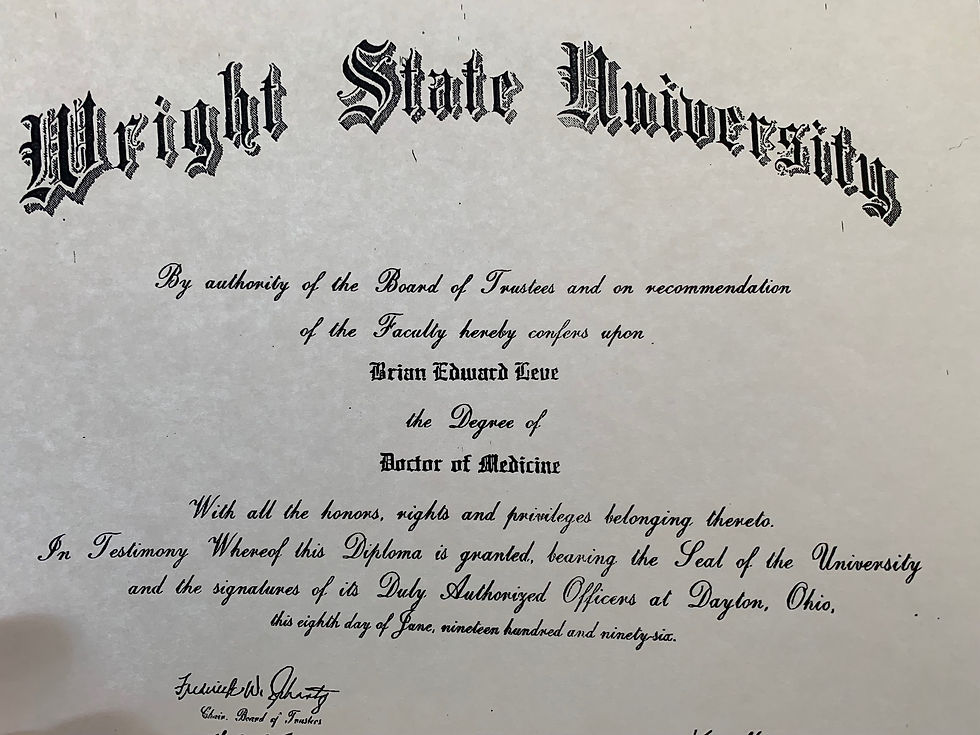
By Dr. Brian Leve, German Village Men’s Clinic
Introduction: Why "Just Getting Older" is a Myth
Many men in Columbus walk into my clinic with the same story: they feel tired, their motivation at work has dipped, and they’ve accepted it as an inevitable part of being in their 40s, 50s, or 60s. But age isn't a diagnosis. Often, the culprit is a chemical decline in testosterone—the primary hormone produced in the testicles that peaks in your early 20s and steadily drops thereafter.
As we age, specifically entering our 30s, 40s, and 50s, our testosterone levels drop by roughly 1% to 2% per year. What is "normal" for a 25-year-old is vastly different from a 40-year-old, but that doesn't mean you have to live with it.
Pillar 1: The "Use It or Lose It" Reality
One of the most common symptoms men experience is a decrease in libido—a literal drop in the desire for sexual activity.
The Snowball Effect: When testosterone levels fall, men often stop initiating intimacy, which creates a cycle of not using your hardware like you normally do.
Physical Consequences: This lack of activity leads to a "snowball effect" where the penis stops working as well because it isn't being used. The old saying "if you don't use it, you lose it" is biologically very true.
The Result: Infrequent intercourse eventually translates into clinical erectile dysfunction (ED).
Expert Insight: I tell my guys at the gym and the cigar shop: The more you use it, the better it works.
Pillar 2: Beyond the Bedroom—The Physical Toll
Low-T isn't just about sex; it changes your entire physiology. When your levels are low, you are fighting a losing battle against your own body.
Muscle Wasting: You may experience muscle loss and general weakness, even if you are still trying to hit the gym.
The "Couch Potato" Cycle: As drive decreases, men become less active, leading to increased belly fat and a loss of lean muscle.
Bone Health: Many people think osteoporosis is only for women, but low hormone levels cause bone loss in men, leading to fragile, brittle bones.
Pillar 3: Why Your Marriage Isn't the Problem
I often hear from men married for 30+ years who think they’ve just "grown out" of wanting their partner.
The Frustration Loop: When hormones are low, men become more irritable, frustrated, and grumpy because they aren't having sex.
The "Grumpy Old Man" Syndrome: This psychological side effect can lead to a loss of connection with significant others.
The Solution: Hormone replacement is the foundation. It removes the "brain fog" and fatigue, allowing you to actually address the relationship with a clear head.
Pillar 4: Identifying "Hidden" Symptoms
Men often don't acknowledge feelings, so I look for these specific indicators:
Difficulty at the Gym: Not being able to complete a workout or missing that youthful energy.
The Afternoon Slump: Persistent tiredness in the afternoon that a cup of coffee won't fix.
Irritability: Snapping at colleagues or family members over things that didn't used to bother you.
Sleep Issues: Inability to fall asleep or stay asleep through the night.
Pillar 5: The German Village Path to Treatment
We’ve designed our process to be simple because we know men don't like to sit in waiting rooms talking about their private lives.
Phone Consultation: 80% of the initial visit can be handled over the phone.
LabCorp Integration: We send your demographics to LabCorp; you get your blood drawn whenever it's convenient for you.
Personalized Roadmap: We bring you into the clinic to discuss results and develop a plan for better sex drive and physical fitness.


Comments